
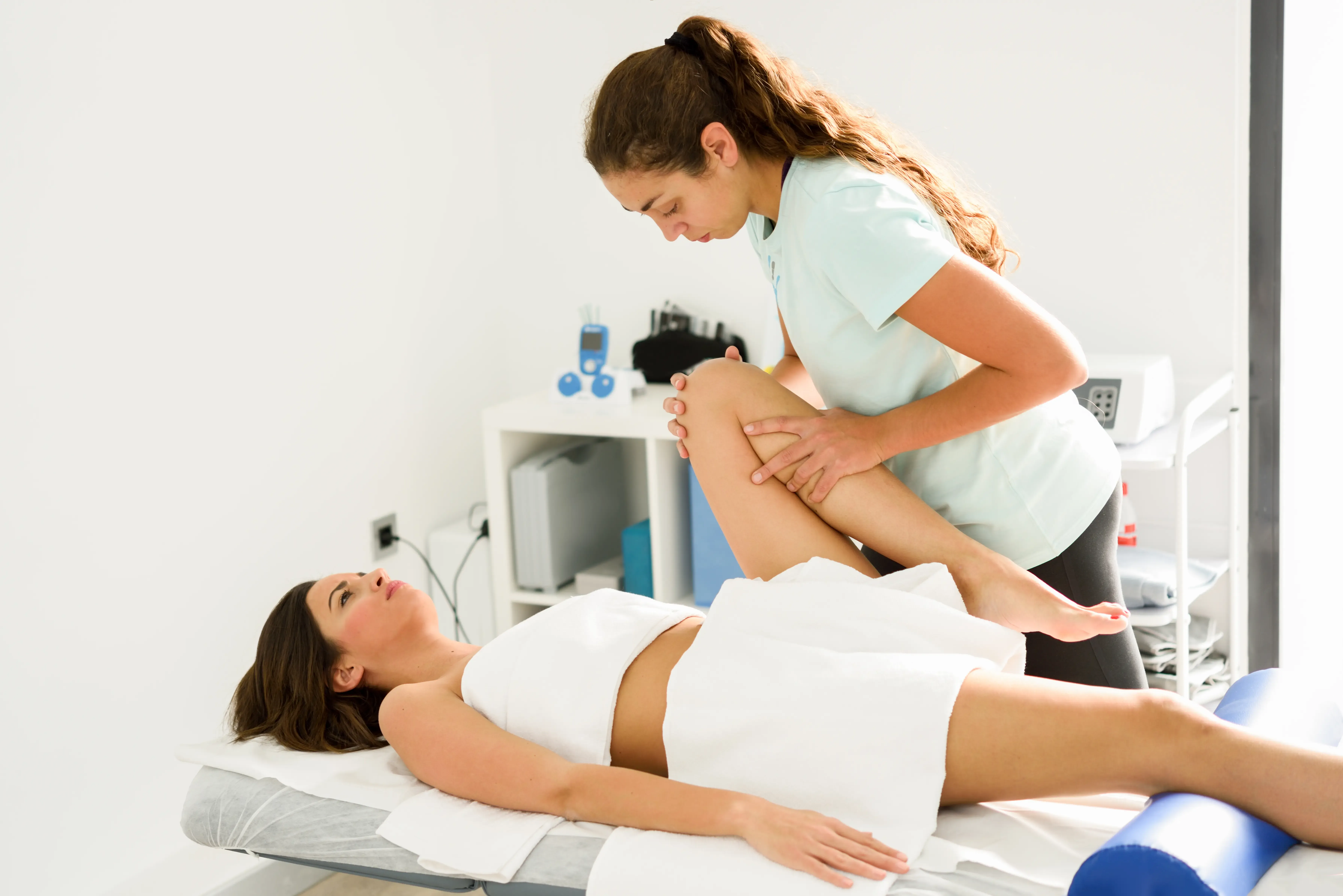


Woman in activewear feeling confident in her core at Hartley Health and Wellness Canton

Pelvic Floor Weakness Treatment in Canton, GA

Restore Strength and Core Stability

Common In:Women 30-65, postpartum, perimenopause
Primary Causes:Childbirth, aging, hormonal shifts
Treatment Time:28 minutes per session
Results:Noticeable in 2-6 weeks
Woman learning about pelvic floor anatomy during consultation at Hartley Health and Wellness Canton

What Is Pelvic Floor Weakness?

Recognizing the Signs

Pelvic floor weakness is a clinical condition in which the muscles, ligaments, and connective tissue supporting the bladder, uterus, and bowel lose tone and endurance. This loss of neuromuscular support compromises continence, core stability, and sexual function, and often develops gradually after childbirth, during perimenopause, or with aging.

When you leak urine during a sneeze or workout, feel a sense of heaviness in the pelvis, or notice that your core feels disconnected, you are experiencing the everyday signs of a pelvic floor that is no longer firing efficiently. Many women describe it as feeling less stable, less supported, and less in control of their body.

This condition is far more common than most women realize, affecting an estimated one in three women at some point in adulthood. The silence around it often leaves patients feeling isolated, yet pelvic floor weakness is both well understood medically and highly responsive to non-invasive treatment.

Illustration of pelvic floor muscle anatomy at Hartley Health and Wellness Canton

Why Pelvic Floor Weakness Happens

Understanding the Root Causes

The pelvic floor is a hammock of layered muscle, primarily the levator ani complex, that supports the pelvic organs and coordinates with the deep core to manage intra-abdominal pressure. When these muscles are stretched, strained, or deprived of neural input over time, they lose both strength and the fast-twitch reflex response needed to prevent leakage. The American Urogynecologic Society recognizes pelvic floor disorders as a leading women's health concern affecting roughly 25% of adult women.

Pregnancy and vaginal delivery are among the most significant contributors, stretching muscle fibers and sometimes injuring the pudendal nerve that drives pelvic floor contraction. Even cesarean deliveries do not fully prevent weakness because the hormonal and postural demands of pregnancy place months of sustained load on the pelvic support system. Rebuilding that connection often begins with Emsella Pelvic Floor Therapy, which uses HIFEM energy to retrain thousands of supramaximal contractions in a single session.

Hormonal decline during perimenopause and menopause further reduces estrogen-dependent collagen in the vaginal wall and urethral support tissues, while chronic pressure from obesity, heavy lifting, or persistent cough gradually overwhelms the system. Research indexed by the National Institutes of Health confirms that these factors compound over time, which is why a combined strengthening and supportive-tissue approach tends to outperform isolated exercises.


Diagram showing deep core and pelvic floor coordination at Hartley Health and Wellness

Core and Pelvic Floor Coordination

How the Deep Core System Affects Pelvic Support

The pelvic floor does not work alone. It operates as part of a four-part deep core system that includes the diaphragm above, the transverse abdominis in front, and the multifidus along the spine. When these muscles coordinate, intra-abdominal pressure distributes evenly and the pelvic floor contracts reflexively with lifting, coughing, or laughing.

After pregnancy, abdominal surgery, or years of shallow breathing and core disuse, this coordination breaks down. The deep abdominal wall may separate (diastasis recti), the diaphragm may sit in a compressed posture, and the pelvic floor either overworks or disengages entirely. Our Core and Floor program is designed to retrain this entire chain rather than targeting a single muscle group.

Layered on top of these mechanical issues is age-related sarcopenia, the gradual loss of muscle mass that begins in the mid-30s and accelerates after menopause. Because pelvic floor muscle loses tone without targeted stimulation, patients often feel that standard workouts no longer provide the stability they once did, which is a strong cue that the deeper support system needs dedicated attention.

Lifestyle factors affecting pelvic floor weakness at Hartley Health and Wellness Canton

What Accelerates Pelvic Floor Weakness?

Identifying Your Triggers

01

Childbirth and Pregnancy

Vaginal delivery, multiple births, and the sustained load of pregnancy stretch muscle fibers and can injure the pudendal nerve that drives pelvic floor contraction.

02

Aging and Muscle Loss

Sarcopenia and slower neuromuscular recruitment after the mid-30s reduce both the strength and the reflex speed needed to prevent leakage under pressure.

03

Hormonal Changes

Declining estrogen during perimenopause and menopause thins the vaginal wall and urethral support tissues, compounding existing muscular weakness.

04

Heavy Lifting and High Impact

Repeated heavy lifting, running, or high-impact training without core and pelvic floor coordination overloads the system and worsens descent over time.

05

Chronic Cough or Constipation

Persistent intra-abdominal pressure from coughing, straining on the toilet, or smoking-related cough slowly stretches pelvic floor and ligament attachments.

06

Elevated Body Weight

Sustained higher body weight increases daily load on the pelvic support system, accelerating muscle fatigue and connective tissue laxity.

Hartley Health and Wellness clinic interior in Canton Georgia

Why Choose Hartley Health and Wellness for Pelvic Floor Weakness Care in Canton, GA

Expert Care in Canton

  • Comprehensive assessments to evaluate pelvic floor function
  • Personalized treatment plans tailored to individual needs
  • Use of advanced technologies to support recovery and strengthening
  • Holistic approach focused on core and pelvic health

Treatment Options Comparison

Finding Your Best Approach

Treatment Best For Session Time Results Timeline Maintenance
Emsella Pelvic Floor Therapy Rapid pelvic floor strengthening 28 minutes 2-6 weeks Quarterly boosters
Core and Floor Core plus pelvic floor retraining 45-60 minutes 4-8 weeks Every 4-6 months
Emsculpt Neo Function Core, glute, and pelvic support 30 minutes 4-8 weeks Every 3-6 months
Emfemme 360 Vaginal tissue and laxity support 8-15 minutes 2-4 weeks Annual touch-ups
Woman reflecting on pelvic floor symptoms at Hartley Health and Wellness Canton

You May Be Experiencing Pelvic Floor Weakness If...

Recognizing When to Seek Help

  • Feeling of pelvic heaviness or pressure
  • Leakage during activity such as coughing, laughing, or exercise
  • Weak connection or instability in core muscles
  • Postpartum pelvic symptoms after childbirth
  • Pain or discomfort during intercourse
  • Frequent or urgent need to urinate

Frequently Asked Questions

About Pelvic Floor Weakness

01 What is pelvic floor weakness?

Pelvic floor weakness is a loss of tone and reflex strength in the muscles supporting the bladder, uterus, and bowel. It commonly causes leakage, pelvic heaviness, and reduced core stability, and it typically responds well to non-invasive strengthening.

02 What are the symptoms of pelvic floor weakness?

Common symptoms include urine leakage with coughing, sneezing, or exercise, a sense of pelvic heaviness or bulging, weak core stability, frequent urinary urgency, discomfort during intercourse, and lingering postpartum changes that have not fully recovered.

03 How does Emsella strengthen the pelvic floor?

Emsella uses HIFEM electromagnetic energy to trigger thousands of supramaximal pelvic floor contractions during a single 28-minute session. This far exceeds what Kegels can produce and retrains both the strength and reflex speed of the pelvic floor.

04 Can pelvic floor treatment help after childbirth?

Yes. Many patients pursue Emsella and our Core and Floor program specifically after childbirth, typically once cleared by their delivering provider. These treatments can help restore tone, reduce leakage, and rebuild core coordination that pregnancy often disrupts.

05 How many sessions are needed to see results?

Most patients complete an initial series of six Emsella sessions spaced across about three weeks, with many noticing improvement by the third or fourth visit. Full results typically develop over four to eight weeks, followed by periodic maintenance.

06 Is treatment safe if I am in perimenopause or menopause?

Yes. Pelvic floor treatments are commonly used during perimenopause and menopause, and we often pair them with hormonal support when appropriate. Shanda will review your health history to confirm you are a good candidate.

07 When should I see a professional about pelvic floor weakness?

If leakage, heaviness, or discomfort is affecting your workouts, sleep, work, or intimacy, it is time to be evaluated. Early treatment is usually faster and more effective than waiting for symptoms to worsen.

Location2000 Village Professional Drive #110
Canton, GA, 30114

Schedule Your Consultation


Scientific References