

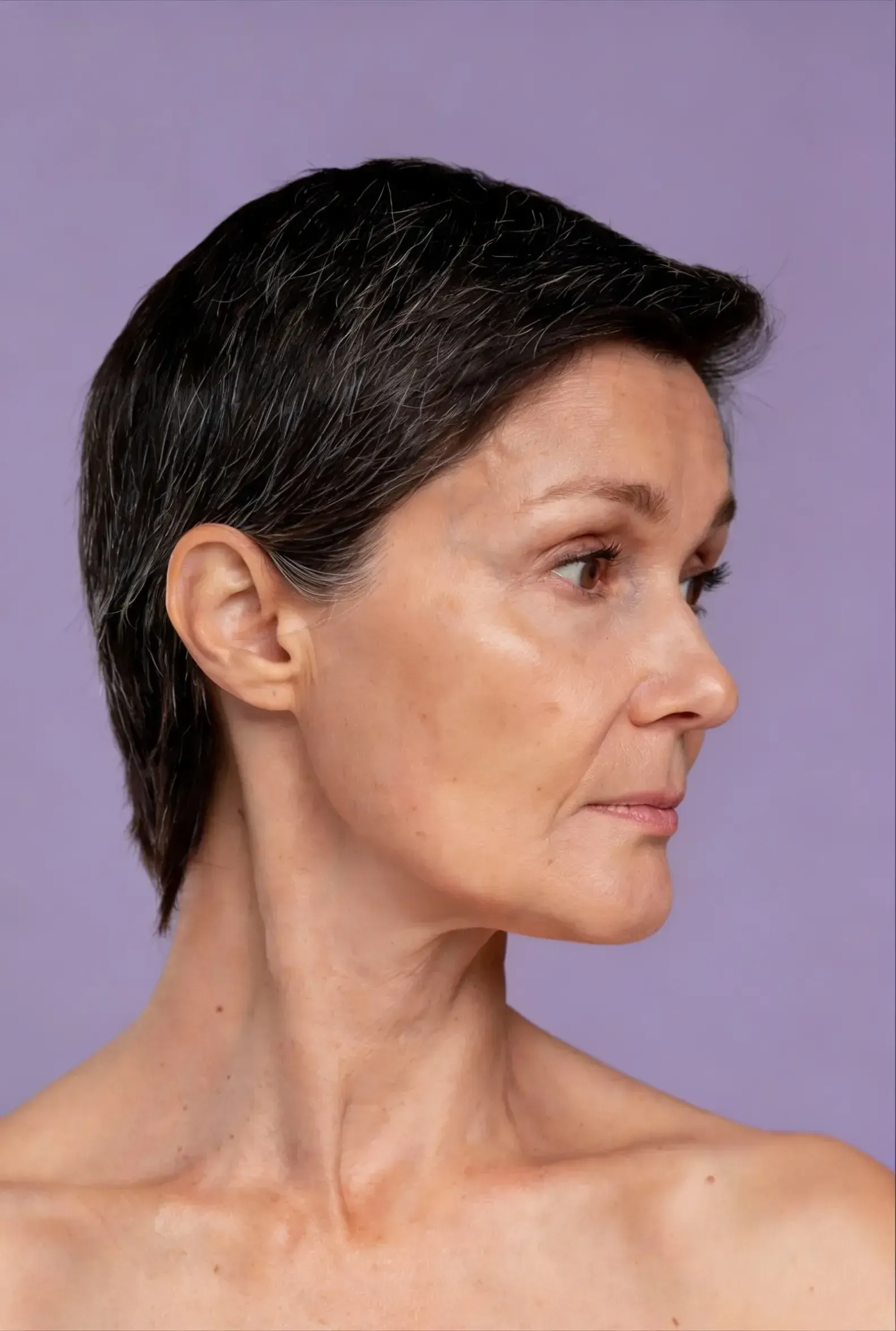
Woman examining loose skin on her jawline at Hartley Health and Wellness Canton

Skin Laxity Treatment in Canton, GA

Restore Firmer, Lifted Skin

Common In:Adults 35+
Primary Causes:Aging, Sun, Collagen Loss
Treatment Time:30-60 minutes
Results:Gradual over 8-12 weeks
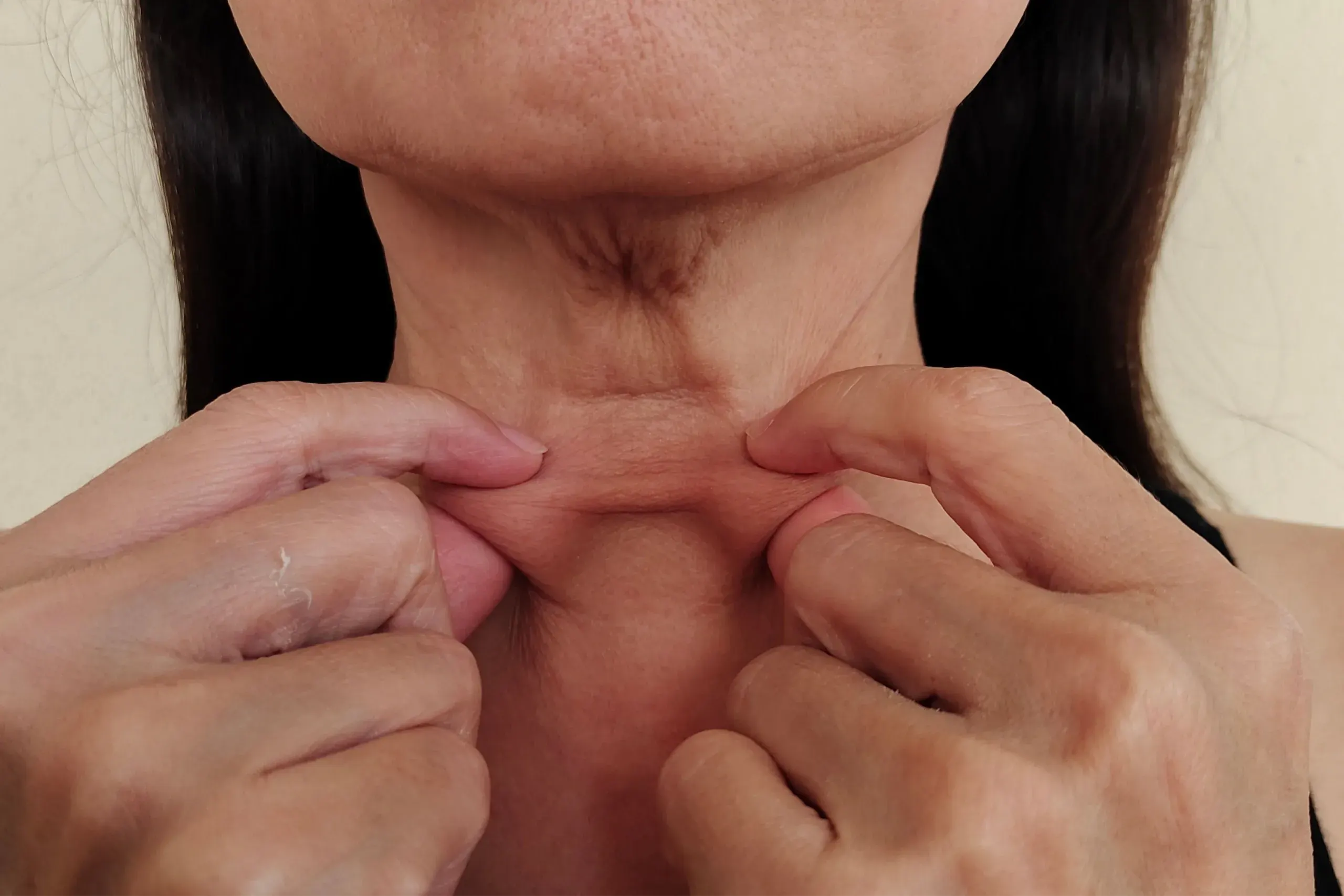
Close-up view of skin laxity along the jawline at Hartley Health and Wellness

What Is Skin Laxity?

Recognizing the Signs

Skin laxity refers to a loss of firmness and elasticity in the dermal and subcutaneous tissues, driven by gradual degradation of collagen and elastin fibers. This clinical presentation becomes visible as sagging along the jawline, drooping brows, crepey texture on the décolleté, and softened contours across the abdomen, arms, and thighs.

When you notice your jawline softening, your neck appearing less defined, or skin on your upper arms and abdomen feeling looser than it once did, you are observing the visible signs of skin laxity. Many patients in Canton, GA first recognize the change in photographs or when clothing fits differently after weight loss or childbirth.

This is an exceptionally common concern. Patients often describe their skin as feeling "heavier" or "less snug," and many feel frustrated when healthy habits, topical creams, and consistent exercise no longer produce the tighter, firmer look they remember.

Illustration of collagen breakdown in aging skin at Hartley Health and Wellness Canton Georgia

Why Skin Laxity Happens

Understanding the Root Causes

Firm, resilient skin depends on a dense network of collagen and elastin produced by dermal fibroblasts. Beginning around age 25, collagen production declines by roughly 1% per year, and this loss accelerates after menopause, leading to measurable reductions in skin thickness and elasticity over time. The American Academy of Dermatology identifies collagen decline and cumulative sun exposure as leading contributors to visible skin aging.

As these structural proteins break down, the dermal scaffold can no longer hold soft tissue in place against gravity. The result is the hallmark cascade patients describe: jowl formation, a less defined neck, hollowing in the mid-face, and loosened skin across the arms, abdomen, and thighs. Radiofrequency and ultrasound-based devices such as Exion Face and Body are designed to stimulate new collagen and tighten this scaffold without surgery.

Barrier function and lipid production also decline with age, which compounds the appearance of laxity by reducing the plumpness and smooth reflectivity of the skin surface.
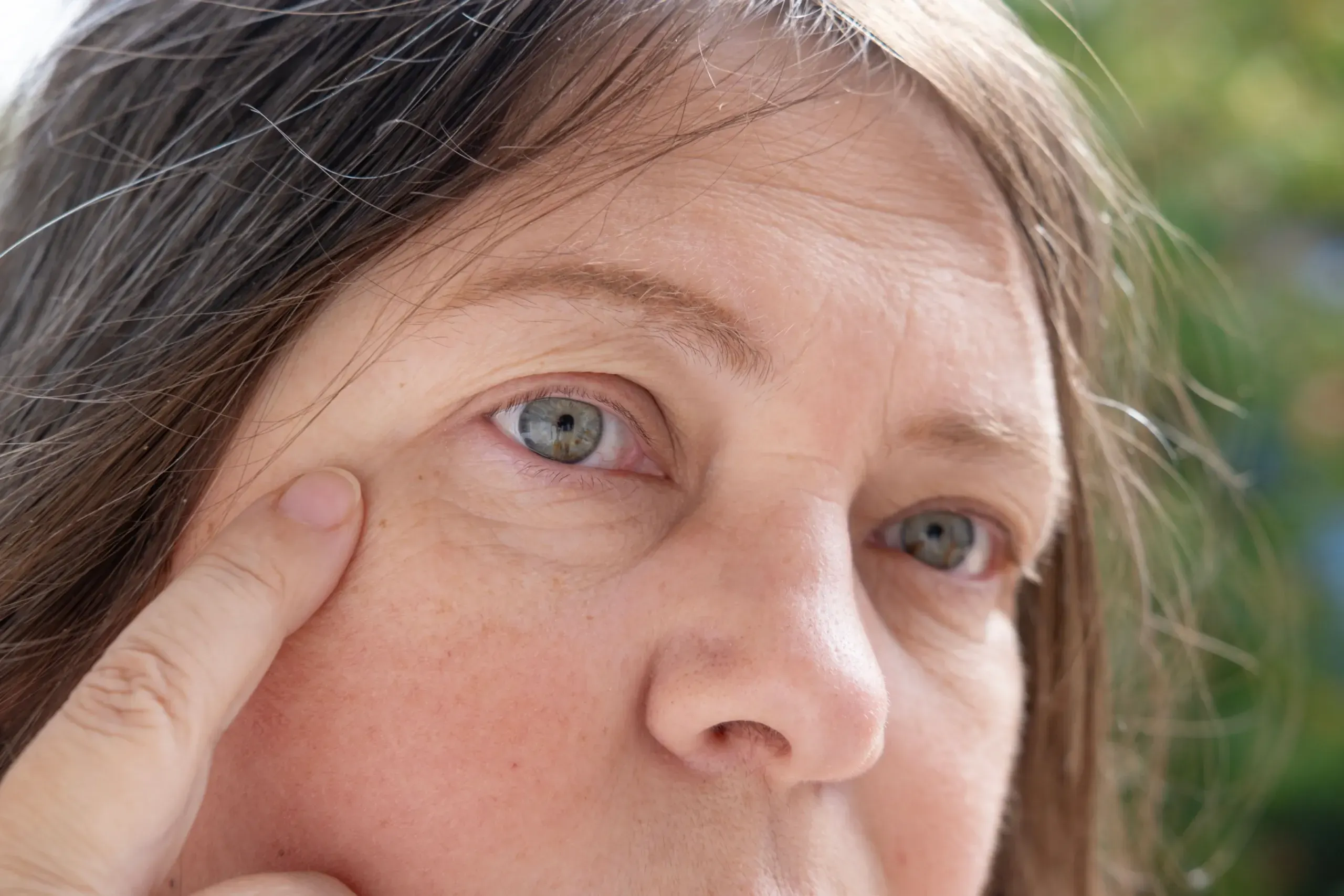
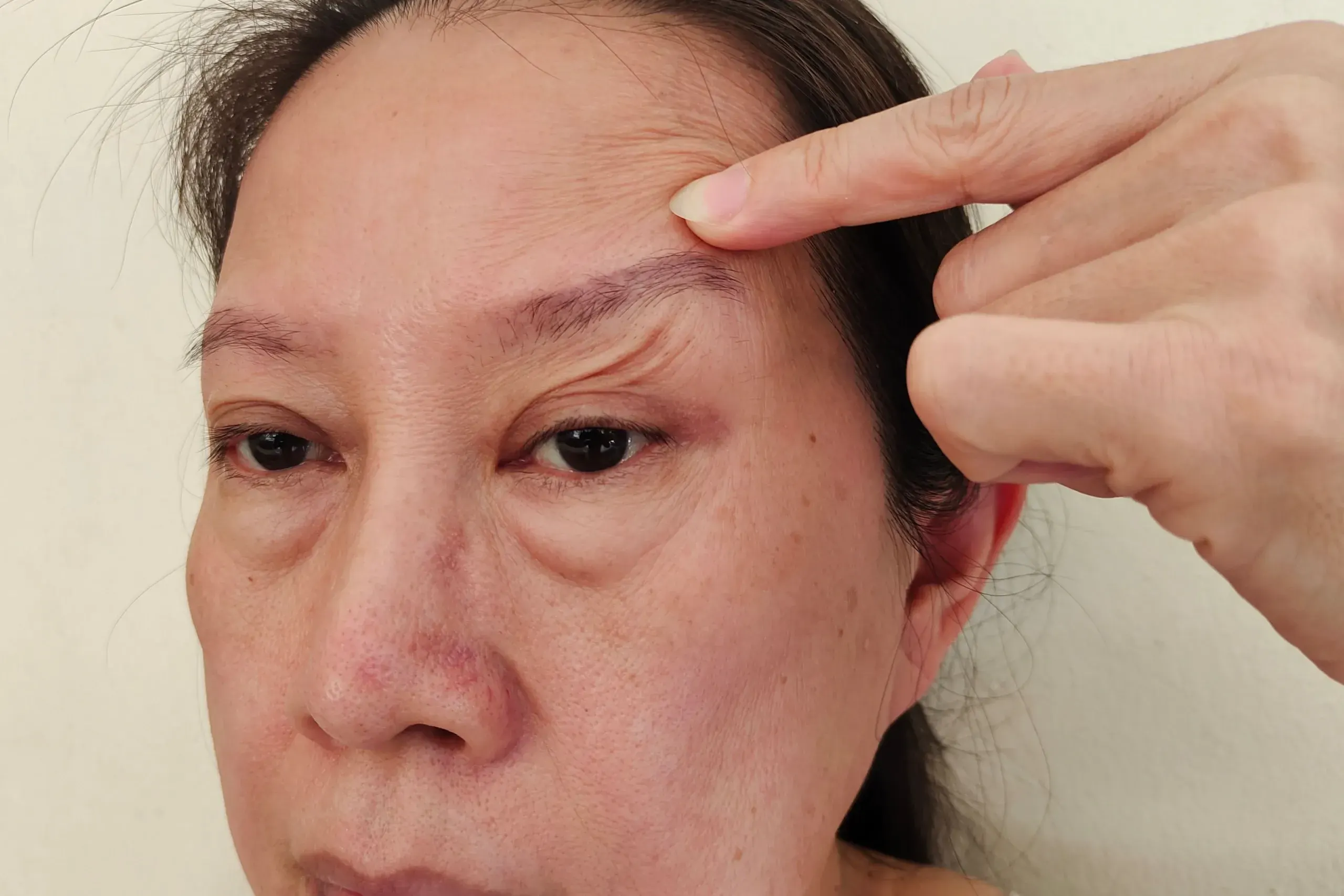
Diagram of dermal collagen and elastin structure at Hartley Health and Wellness

Collagen, Elastin, and Fascia

How Structural Decline Creates Sagging

The dermis is built around two primary structural proteins. Collagen provides tensile strength while elastin allows the skin to recoil after stretching. When fibroblast activity slows and existing fibers fragment, skin loses both its firmness and its ability to snap back after movement, smiling, or weight fluctuations.

Advanced glycation end products (AGEs), formed when sugars bind to collagen, stiffen these fibers and make them brittle. Combined with oxidative stress from UV exposure, this process weakens the dermal scaffold faster than the body can repair it, which is why non-invasive collagen-stimulating treatments like Exion Fractional RF and Clear RF have become a cornerstone of modern skin tightening.

Beneath the dermis, the superficial musculoaponeurotic system (SMAS) and fascial layers also loosen with age. Technologies that deliver energy to these deeper layers, along with muscle-toning treatments such as Emface, help lift and define facial contours by addressing both skin and underlying support structures.

Lifestyle factors contributing to skin laxity at Hartley Health and Wellness Canton

What Accelerates Skin Laxity?

Identifying Your Triggers

01

Chronological Aging

Natural aging slows fibroblast activity and reduces collagen production by about 1% per year beginning in the mid-twenties.

02

Sun Damage

Cumulative UV exposure fragments elastin and collagen fibers, a process known as photoaging that accelerates visible laxity.

03

Significant Weight Loss

Rapid or substantial weight loss leaves the dermal scaffold stretched beyond its elastic capacity, producing loose skin on the abdomen, arms, and thighs.

04

Pregnancy and Childbirth

Abdominal stretching during pregnancy and hormonal shifts afterward often leave persistent laxity across the core and lower abdomen.

05

Genetics

Inherited collagen quality and skin thickness strongly influence how early and how visibly skin laxity develops on the face and body.

06

Hormonal Decline

Estrogen loss during perimenopause and menopause is associated with a measurable drop in dermal collagen content within the first five years.

Hartley Health and Wellness clinic interior in Canton Georgia

Why Choose Hartley Health and Wellness for Skin Laxity Care in Canton, GA

Expert Care in Canton

  • Comprehensive assessments to evaluate skin laxity concerns
  • Use of advanced technologies to support skin tightening
  • Personalized treatment plans tailored to your goals
  • Medically grounded care focused on safe results

Treatment Options Comparison

Finding Your Best Approach

Treatment Best For Session Time Results Timeline Maintenance
Exion Face and Body RF and ultrasound tightening 30-45 min 4-12 weeks Annual touch-ups
Exion Fractional RF and Clear RF Deeper collagen remodeling 45-60 min 8-12 weeks Yearly series
Emface Lift and tone facial muscles 20 min 4-12 weeks Quarterly
HydraFacial Surface hydration and glow 30-45 min Immediate Monthly
Woman evaluating loose skin along her jawline at Hartley Health and Wellness

You May Be Experiencing Skin Laxity If...

Recognizing When to Seek Help

  • Sagging jowls along the lower face
  • Loose or lax abdominal skin
  • Loose skin on arms and thighs
  • Drooping brows or eyelid heaviness
  • Wrinkled or crepey décolleté area
  • Loss of facial definition or contour

Frequently Asked Questions

About Skin Laxity

01 What causes skin laxity?

Skin laxity is caused by the gradual decline of collagen and elastin in the dermis, combined with sun damage, hormonal shifts, weight changes, and genetics. These factors weaken the skin's scaffolding so tissues sag under gravity over time.

02 What are the best non-surgical treatments for loose skin?

Radiofrequency and ultrasound devices like Exion Face and Body, Exion Fractional RF, and muscle-toning treatments like Emface are among the most effective non-surgical options. The right combination depends on your treatment area, severity, and goals.

03 How does Exion tighten skin?

Exion combines monopolar radiofrequency with targeted ultrasound to heat the dermis and deeper tissues. This controlled thermal response stimulates fibroblasts to produce new collagen and elastin, gradually firming and lifting the treated area.

04 How many sessions are needed?

Most patients achieve optimal results with a series of three to four sessions spaced two to four weeks apart, followed by annual maintenance. Your personalized plan will reflect your skin, goals, and the specific device used.

05 Is it safe for all skin types?

Yes. Modern radiofrequency platforms like Exion are considered safe for all Fitzpatrick skin types because RF energy bypasses melanin and targets water in the dermis, which significantly reduces the risk of pigmentary changes.

06 How quickly will I see results?

Many patients notice a subtle tightening immediately after treatment as tissues contract. Progressive firmness and lifting typically develop over 8 to 12 weeks as new collagen and elastin form within the treated layers.

07 Can skin tightening be combined with other treatments?

Yes. Many patients combine Exion with Emface for comprehensive facial lifting, or pair body treatments with wellness support such as IV therapy and hormone replacement therapy to address collagen loss from multiple angles.

Location2000 Village Professional Drive #110
Canton, GA, 30114

Schedule Your Consultation


Scientific References