
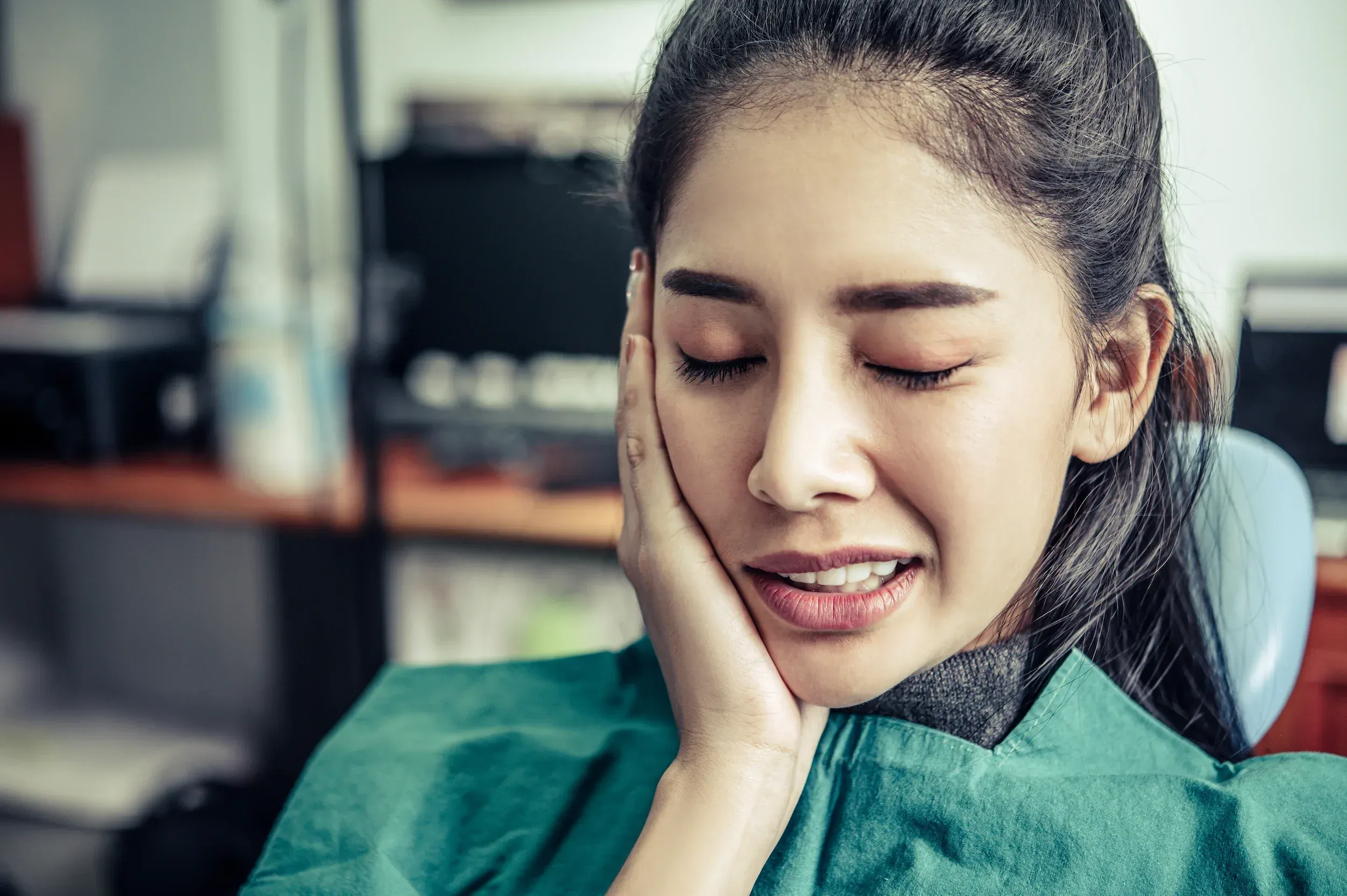

Woman holding her jaw from TMJ pain at Face and Body by Hartley Medispa Canton

TMJ Disorder Treatment in Canton, GA

Relieve Jaw Pain and Restore Comfort

Common In:Adults 20-50, Women
Primary Causes:Stress, Bruxism, Hormones
Treatment Time:20-60 minutes
Results:Days to 12 weeks
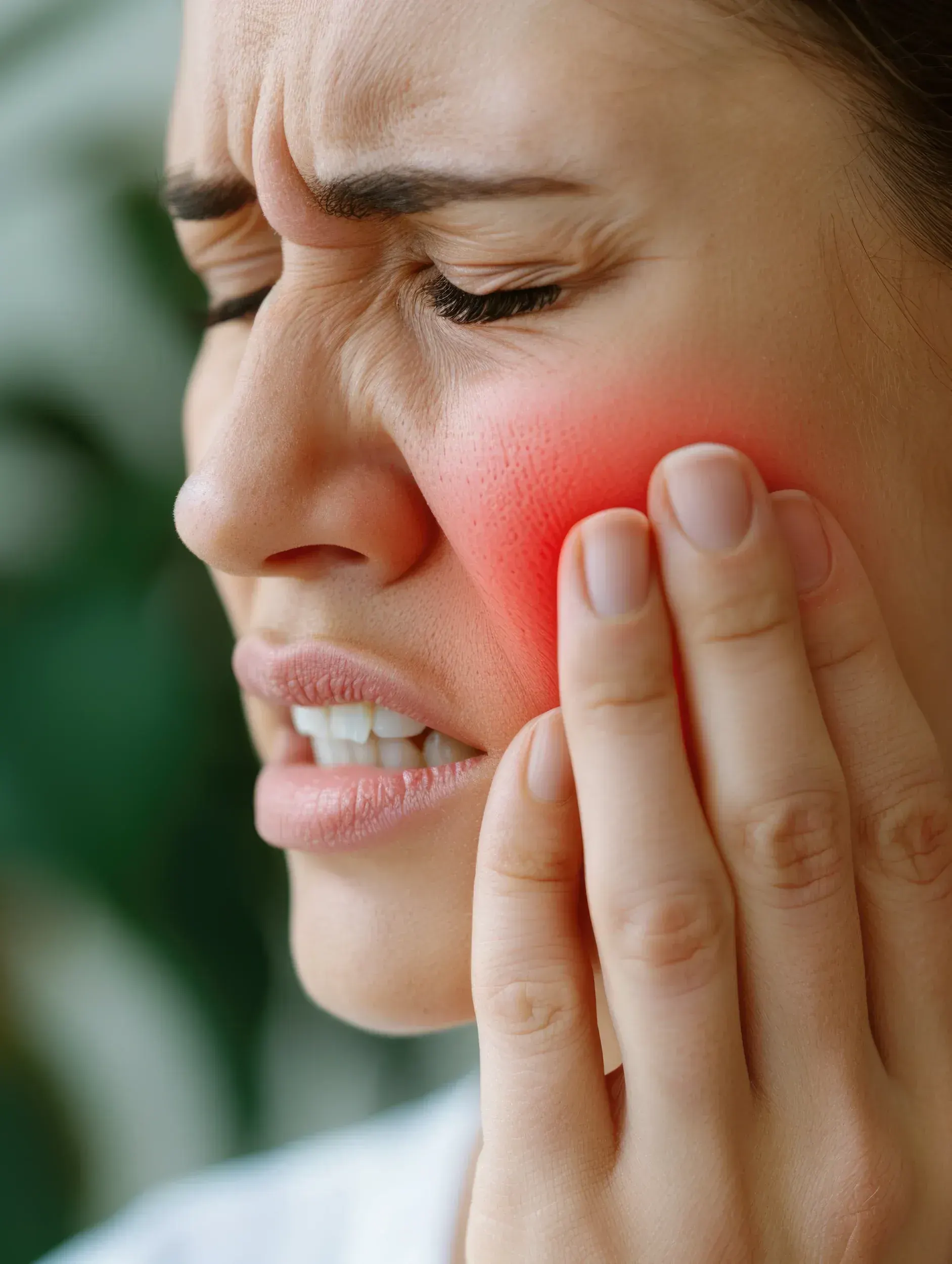
Close-up of woman recognizing TMJ symptoms at Face and Body by Hartley Medispa

What Is TMJ Disorder?

Recognizing the Signs

Temporomandibular joint disorder, commonly called TMJ disorder or TMD, is a group of conditions affecting the hinge joints and muscles that connect your lower jaw to the skull. When these joints, surrounding muscles, or the soft cartilage disc inside them become inflamed or misaligned, normal chewing, speaking, and even resting motions can become painful.

When you notice clicking or popping each time you open your mouth, wake with a sore jaw, or feel a deep ache spreading from your ear into your temple, you are likely experiencing the everyday signs of TMJ disorder. The pain can be sharp and sudden or low-grade and constant, often worsening late in the day after hours of clenching.

Patients in Canton frequently describe avoiding chewy or crunchy foods, waking with tension headaches, or feeling self-conscious about an audible jaw click in social settings. TMJ disorder is a real medical condition, not just stress, and targeted, non-surgical treatment can meaningfully reduce symptoms.

Illustration of temporomandibular joint anatomy at Face and Body by Hartley Medispa Canton

Why TMJ Disorder Happens

Understanding the Root Causes

The temporomandibular joint is one of the most-used joints in the body, opening and closing roughly 1,500 to 2,000 times per day during talking, swallowing, and eating. Inside each joint sits a small cartilage disc that cushions movement. When the disc displaces, the surrounding masseter and temporalis muscles tighten in compensation, creating the pain pattern most patients describe. The National Institute of Dental and Craniofacial Research identifies TMJ disorders as one of the most common chronic facial pain conditions in the United States, affecting an estimated 5 to 12 percent of adults.

Once a cycle of muscle overuse begins, the cascade is predictable: tight muscles pull the disc out of position, the misaligned disc inflames the joint capsule, and inflammation amplifies the muscle guarding response. This is why patients often feel both joint pain and a deep, bruised ache across the entire side of the face.

Underlying triggers matter just as much as the joint itself. Chronic stress, sleep bruxism, hormonal fluctuations during perimenopause, postural strain from prolonged screen use, and prior trauma to the jaw can all initiate or sustain the cycle. Addressing TMJ disorder effectively often requires treating both the muscle dysfunction and the upstream trigger, which is why services like Exomind TMS Therapy for stress-related clenching can be part of a comprehensive plan.


Diagram showing masseter muscle tension and TMJ disorder at Face and Body by Hartley Medispa

Masseter Muscle Overactivity

How Clenching Reshapes Facial Tension

The masseter is the powerful muscle running from the cheekbone to the lower jaw, and it can generate over 200 pounds of biting force. In patients with TMJ disorder, this muscle is often chronically overactive, working hard during the day from subconscious clenching and through the night from sleep bruxism. Over time, the fibers thicken and shorten, which is why some patients notice a more square or fuller jawline alongside their pain.

This sustained contraction reduces blood flow within the muscle, causing the buildup of metabolic byproducts that sensitize local nerve endings. The result is the deep, dull ache patients describe along the side of the face, often confused with a toothache or ear infection. Targeted muscle relaxation, whether through neuromuscular re-education, radiofrequency, or HIFEM-based treatments like Emface, can help interrupt this cycle by retraining the muscle to discharge tension more efficiently.

Hormonal shifts add another layer. Estrogen receptors are present in the temporomandibular joint, and declining estrogen during perimenopause is associated with increased joint sensitivity and inflammation. This helps explain why TMJ pain disproportionately affects women between their late 20s and mid-50s, and why systemic support sometimes plays a role in long-term relief.

Lifestyle factors contributing to TMJ disorder at Face and Body by Hartley Medispa Canton

What Accelerates TMJ Disorder?

Identifying Your Triggers

01

Chronic Stress and Anxiety

Elevated cortisol promotes daytime clenching and nighttime grinding, keeping jaw muscles in a sustained state of contraction.

02

Sleep Bruxism

Involuntary grinding during sleep places repeated heavy load on the joint, often without the patient realizing it is happening.

03

Hormonal Fluctuations

Shifts in estrogen during perimenopause and menopause increase joint sensitivity and lower the pain threshold in many women.

04

Postural Strain

Forward head posture from prolonged screen time and desk work changes the resting position of the jaw and overloads the joint.

05

Dental Misalignment

An uneven bite, missing teeth, or recent dental work can shift how the jaw closes and force the joint into a stressed pattern.

06

Past Trauma

A prior blow to the jaw, whiplash injury, or a long dental procedure can be the trigger event that starts persistent dysfunction.

Face and Body by Hartley Medispa clinic interior in Canton Georgia

Why Choose Face and Body by Hartley Medispa for TMJ Disorder Care in Canton, GA

Expert Care in Canton

  • Comprehensive Assessment
  • Non-Invasive Technologies
  • Mind and Body Integration
  • 30 Years of Medical Expertise

Treatment Options Comparison

Finding Your Best Approach

Treatment Best For Session Time Results Timeline Maintenance
Exomind TMS Therapy Stress and bruxism triggers 30-40 min 3-6 weeks Booster series
Emface Masseter and jaw muscle tension 20-30 min 4-8 weeks Quarterly
IV Therapy Inflammation and recovery support 45-60 min Same day Monthly
Hormone Replacement Therapy Hormone-driven joint sensitivity Ongoing program 8-12 weeks Continuous
Woman recognizing signs of TMJ disorder at Face and Body by Hartley Medispa Canton

You May Be Experiencing TMJ Disorder If...

Recognizing When to Seek Help

  • Morning Jaw Soreness
  • Clicking or Popping
  • Headaches Near the Temples
  • Ear Pain Without Infection
  • Limited Mouth Opening
  • Facial Fatigue When Chewing

Frequently Asked Questions

About TMJ Disorder

01 Can I prevent TMJ disorder from getting worse?

Reducing daytime clenching, managing stress, and avoiding very chewy foods can slow progression. However, when the joint or muscles are already inflamed, professional evaluation often determines whether targeted therapies like Emface or Exomind TMS Therapy can interrupt the pain cycle more effectively than home strategies alone.

02 How do I know which TMJ treatment is right for me?

A comprehensive consultation evaluates your symptoms, triggers, and medical history. Treatment selection depends on whether your pain is driven primarily by muscle tension, joint inflammation, stress, or hormonal change, since different mechanisms respond to different therapies.

03 How quickly will I see improvement in my jaw pain?

Many patients notice some relief within days when inflammation is calmed with IV Therapy support. Muscle-focused treatments typically produce more sustained results over 4 to 8 weeks as the masseter and temporalis muscles retrain into a relaxed resting tone.

04 Is TMJ disorder more common in women?

Yes. Studies suggest women between 20 and 50 are diagnosed with TMJ disorder at roughly two to three times the rate of men, largely due to estrogen-mediated changes in joint sensitivity. Hormonal evaluation can be a meaningful part of long-term care for many patients.

05 Can stress alone cause TMJ pain?

Stress is one of the most common triggers because it drives daytime clenching and nighttime bruxism. In many patients, addressing the stress response with therapies like Exomind TMS calms the muscle pattern that was sustaining the joint dysfunction.

06 What can I do at home between treatments?

Gentle jaw stretches, warm compresses, soft foods during flare-ups, and a deliberate effort to keep teeth slightly apart during the day can all help. We will share a personalized home protocol after your evaluation.

07 Can multiple TMJ treatments be combined?

Yes, and combinations are often the most effective approach. A typical plan might pair masseter-focused Emface sessions with Exomind TMS for stress and IV Therapy for inflammation, sequenced so each therapy supports the next.

08 When should I see a professional about my jaw pain?

If jaw pain persists more than two weeks, interferes with eating or sleep, or is paired with frequent headaches or ear pressure, an in-person evaluation is appropriate. Earlier intervention generally produces better outcomes and prevents chronic joint changes.

Location2000 Village Professional Drive #110
Canton, GA, 30114

Schedule Your Consultation


Scientific References